Career on Wheels: When Drivers Switch Between Motorsport Series

Career on Wheels: When Drivers Switch Between Motorsport Series
In motorsport, a career rarely follows a straight line. Many drivers move between different series – from single-seaters to sports cars, rally, or even electric championships. These transitions are not just about speed and performance, but also about strategy, opportunity, and personal growth. For some, it’s a step up; for others, a fresh start. But what does it really take to switch series – and why do so many drivers choose to do it?
From Formula Cars to Sports Cars – A Natural Progression
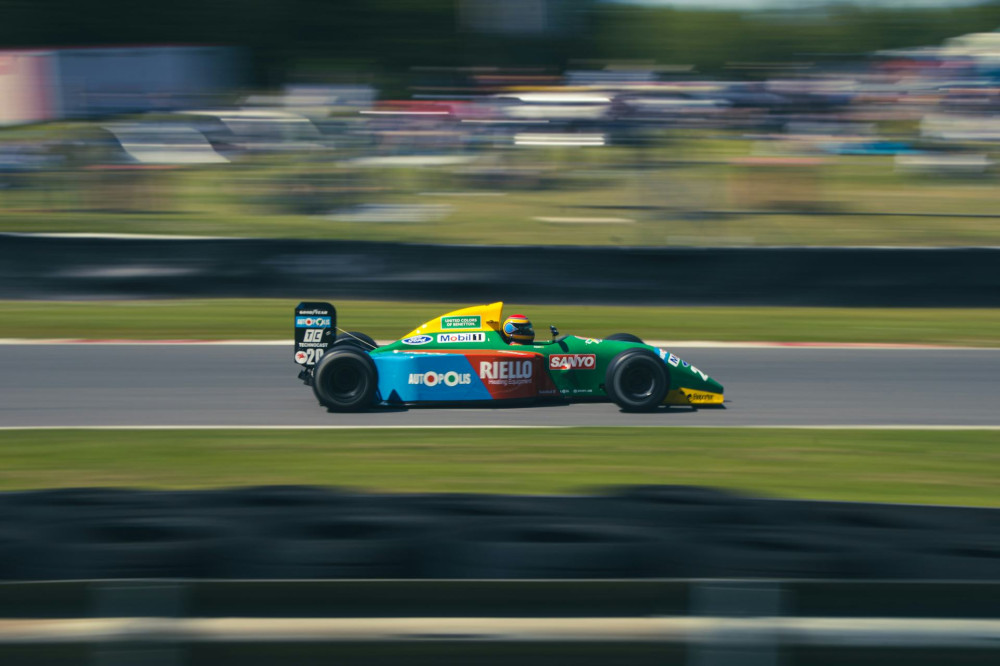
For many racers, the dream begins in open-wheel categories. Formula 3, Formula 2, and ultimately Formula 1 are the traditional rungs on the ladder. But only a handful reach the top, and competition is fierce. That’s why many drivers turn to sports car racing, where experience and endurance often matter more than youthful speed.
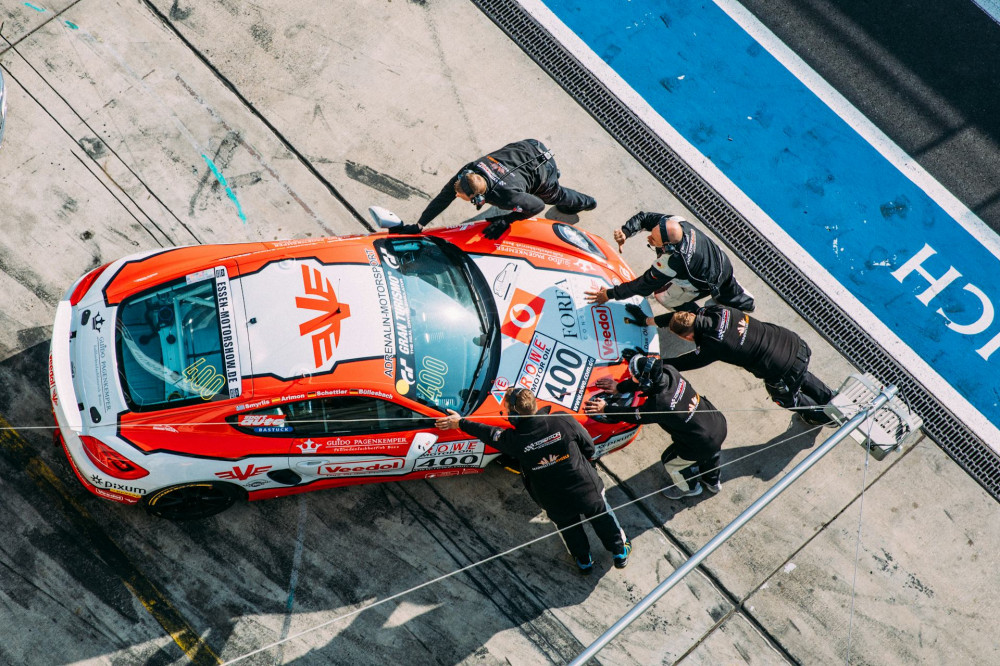
Series like the FIA World Endurance Championship (WEC) and the IMSA SportsCar Championship attract former single-seater drivers who want to continue competing at a high level. Here, success depends on teamwork, strategy, and consistency over long hours. Drivers such as Fernando Alonso and Nico Hülkenberg have shown that the switch can lead to major victories – including triumphs at the legendary 24 Hours of Le Mans.
Rally and Off-Road – When Precision Meets Adventure
Switching from tarmac to gravel demands a completely different skill set. Rally drivers must master navigation, improvisation, and close collaboration with a co-driver. Yet, several circuit racers have embraced the challenge. The transition can seem dramatic, but many find joy in the raw, unpredictable nature of off-road racing.
Events like Rallycross and the Dakar Rally have drawn drivers seeking new adventures. Here, it’s not just the car but also the terrain and the elements that set the limits. Experience from circuit racing can help with control and precision, but adapting to the ever-changing conditions of rallying requires flexibility and courage.
Electric Series – The Future of Racing
In recent years, electric motorsport series such as Formula E and Extreme E have opened new doors. These championships are not only about winning races but also about being part of a technological and environmental shift. Many established drivers see them as an opportunity to stay at the forefront as motorsport evolves.
The move to electric racing demands adjustment. Acceleration, energy management, and the near-silent atmosphere on track change the entire experience. But for drivers with technical curiosity and adaptability, it’s an exciting new direction – and a way to extend their careers in an era where sustainability is becoming central to the sport.
Læs også:
What It Takes to Switch Series
Changing from one motorsport discipline to another is more than just stepping into a different car. It requires adaptation on multiple levels:
- Driving style: Each car type behaves differently – from aerodynamics to tyres and braking systems.
- Physical fitness: A rally driver must endure heat and vibration, while a Formula driver faces extreme G-forces.
- Mental focus: New rules, strategies, and team dynamics demand flexibility and a willingness to learn.
- Networking and timing: Finding the right team and the right moment to make the move can be crucial for success.
The most successful drivers are those who combine technical skill with the ability to learn quickly – and who see every switch as an opportunity rather than a setback.
When Experience Becomes an Asset
In a sport where margins are razor-thin, experience is invaluable. Drivers who have competed across multiple series bring a unique understanding of vehicle dynamics and race strategy. That makes them attractive to teams looking for consistency and insight.
It also gives drivers longer careers. While young talents often dominate the fastest single-seater categories, experienced racers can find new roles in endurance racing, development programs, or as mentors for younger teammates. In that sense, a career on wheels is not just about speed – it’s about continuous growth.
A Career in Motion
Motorsport is constantly evolving, and so are the careers of its drivers. Switching series is not a sign of failure but of ambition and adaptability. Each discipline has its own culture, challenges, and definition of success.
For fans, it’s a chance to follow their favourite drivers into new arenas. For the drivers themselves, it’s proof that talent and passion can take many forms. In the end, a career on wheels is about one thing above all – keeping the drive alive, no matter where the road leads.
Læs også: