Humour and Symbolism in Betting Ads – Adapted to Local Cultures

Humour and Symbolism in Betting Ads – Adapted to Local Cultures
Betting advertisements have become a familiar part of the sporting landscape in Australia. They appear during footy broadcasts, on stadium screens, and across social media feeds – often with a cheeky wink or a bit of banter. Yet behind the light-hearted tone lies a carefully crafted message, where humour and symbolism are used strategically to build recognition and trust. What works in one country doesn’t necessarily resonate in another, which is why betting brands adapt their humour and imagery to local cultures, values, and language.
Humour as a Cultural Mirror
Humour is one of advertising’s most powerful tools – and one of the riskiest. What makes one audience laugh might confuse or offend another. In Australia, humour tends to be dry, self-deprecating, and rooted in everyday life. Aussies appreciate a brand that doesn’t take itself too seriously, that can laugh at its own mistakes, and that speaks the same language as the fans at the pub or the local club.
In contrast, British betting ads often rely on absurd or fast-paced humour, while American campaigns might lean on bold confidence and punchy slogans. Australian humour, by comparison, is more relaxed and grounded – a knowing nod rather than a loud punchline. The goal is to create a sense of camaraderie, as if the brand is part of the same conversation that happens between mates watching the game.
Symbolism and National References
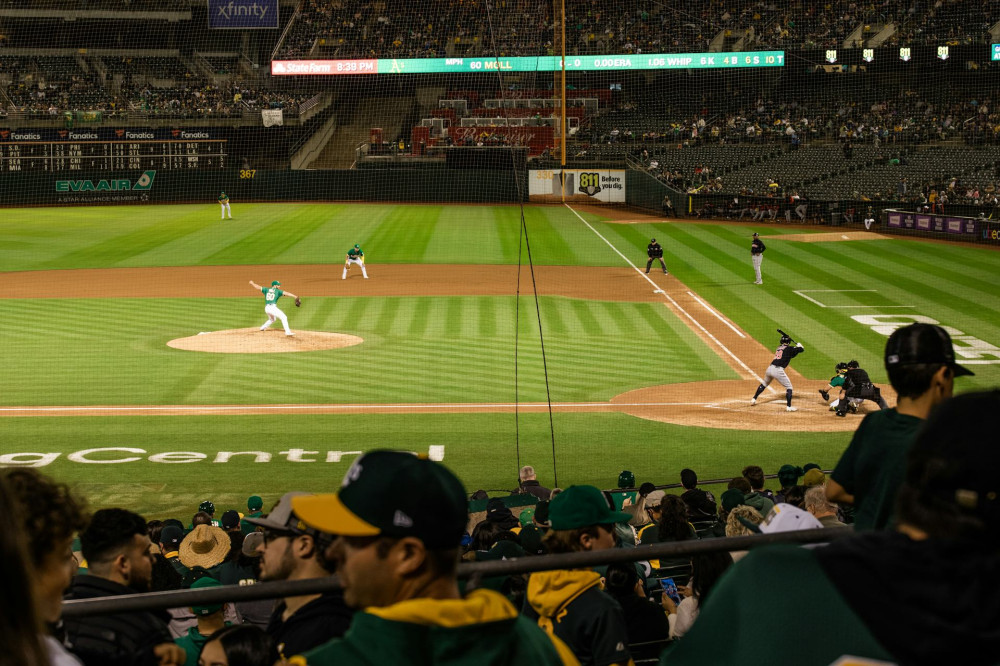
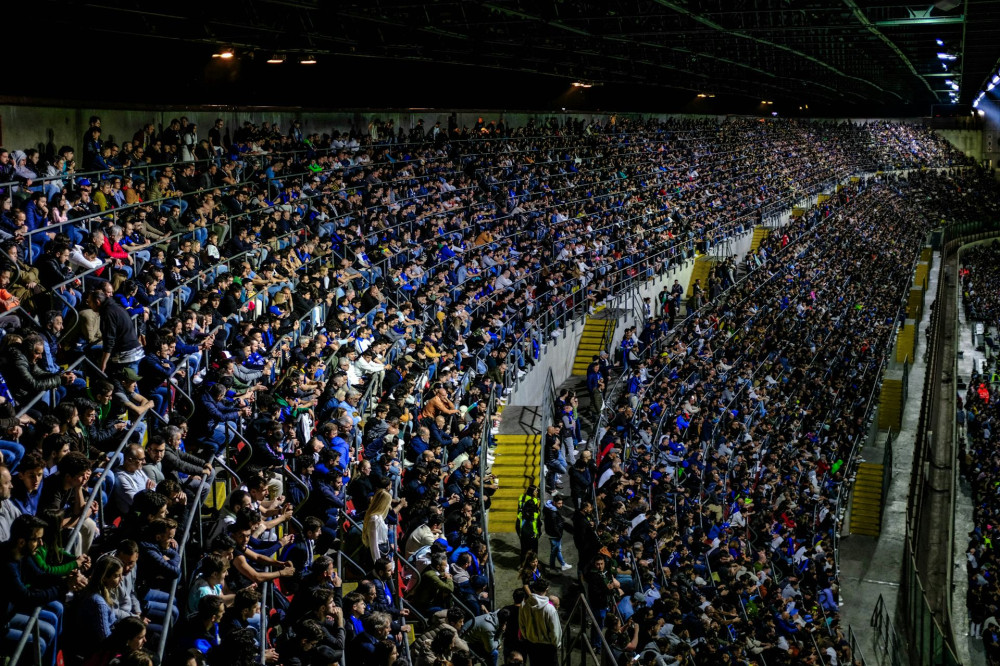
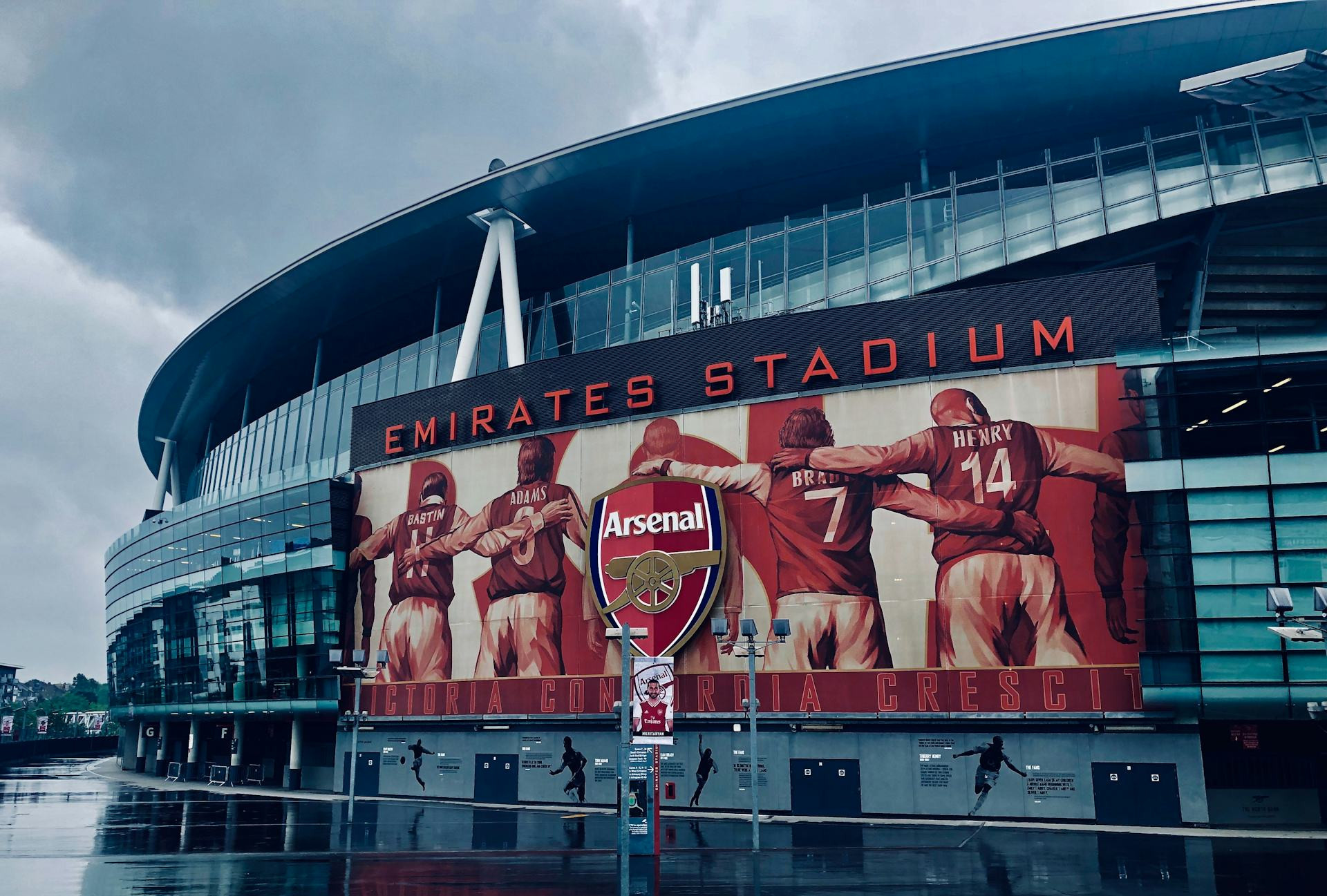
Symbolism plays an equally important role in betting ads. Symbols act as cultural shortcuts, evoking emotions and associations in an instant. In Australia, the imagery often draws on sport as a shared ritual – the roar of the crowd at the MCG, the backyard barbecue, or the team scarf draped over a shoulder. These symbols speak to community, loyalty, and the joy of competition.
Elsewhere, the same brand might use very different imagery. In Asia, symbols of luck and balance are common; in the United States, the focus might be on individual achievement and high stakes. Even colours and gestures can carry different meanings. Green and gold, for instance, instantly signal national pride in Australia, while the same colours might not hold any special meaning elsewhere. Understanding these nuances is essential for global brands that want to connect authentically with local audiences.
The Role of Humour: Building Trust
Betting is an area where trust is crucial. Consumers need to feel that the operator is both reliable and entertaining. Humour can bridge that gap – it humanises the brand and makes it approachable. When an ad makes people smile, it lowers their guard and makes the message more memorable.
But the balance is delicate. Too much humour can make the brand seem flippant about gambling, while too little can make it feel cold or corporate. The most effective campaigns combine humour with clear symbolism that reinforces the brand’s identity – whether that’s about responsible play, community spirit, or the thrill of the game.
Local Partnerships and Cultural Authenticity
Many betting companies now collaborate with local sports figures, comedians, or influencers to strike the right tone. A well-known AFL player poking fun at his own missed goals can create far more impact than an international celebrity with no local connection. These partnerships lend authenticity and help the brand feel genuinely part of the sporting culture.
At the same time, there’s growing awareness of cultural sensitivity. Jokes or stereotypes that once seemed harmless can now be seen as outdated or exclusionary. Brands increasingly work with local advisors to ensure their humour and symbolism hit the right note – ethically, socially, and culturally.
Læs også:


A Global Industry with Local Flavour
The betting industry is global, but its communication is increasingly local. Humour and symbolism act as cultural codes that must be translated with care. A successful ad isn’t just funny – it’s meaningful within its context.
When humour and symbolism are used with respect for local culture, betting ads can become more than just marketing messages. They can reflect how sport, community, and entertainment are experienced in different parts of the world – and in Australia, that means celebrating the laid-back spirit, the love of sport, and the shared laughter that make the game more than just a game.
Læs også: