Improvement Without Victory: How to Assess a Horse’s Form Development

Improvement Without Victory: How to Assess a Horse’s Form Development
In horse racing, winning isn’t the only measure of progress. A horse can be improving even when it doesn’t cross the line first. For trainers, owners, and punters, recognising those subtle signs of development is crucial – the ones that show a horse is edging closer to peak condition. Assessing form is about more than results; it’s about context, detail, and understanding how a race unfolds. Here’s how to spot improvement, even when the scoreboard doesn’t show it.
Look Beyond the Result
A finishing position can be deceptive. A fifth place might be a stronger performance than a second, depending on the race tempo, track conditions, and quality of opposition. That’s why it’s essential to look deeper than the numbers.
Ask yourself:
- How was the race run – fast early or slow and tactical?
- Did the horse cover extra ground or race wide without cover?
- Was the track heavy, soft, or firm?
- How strong was the field compared to previous starts?
A horse that runs on strongly in a fast-run race against tougher company may be showing significant improvement, even without winning. The key is to judge the performance relative to the circumstances.
Watch the Finish
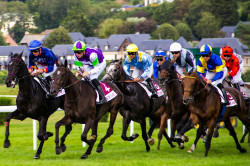
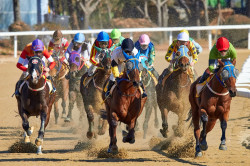
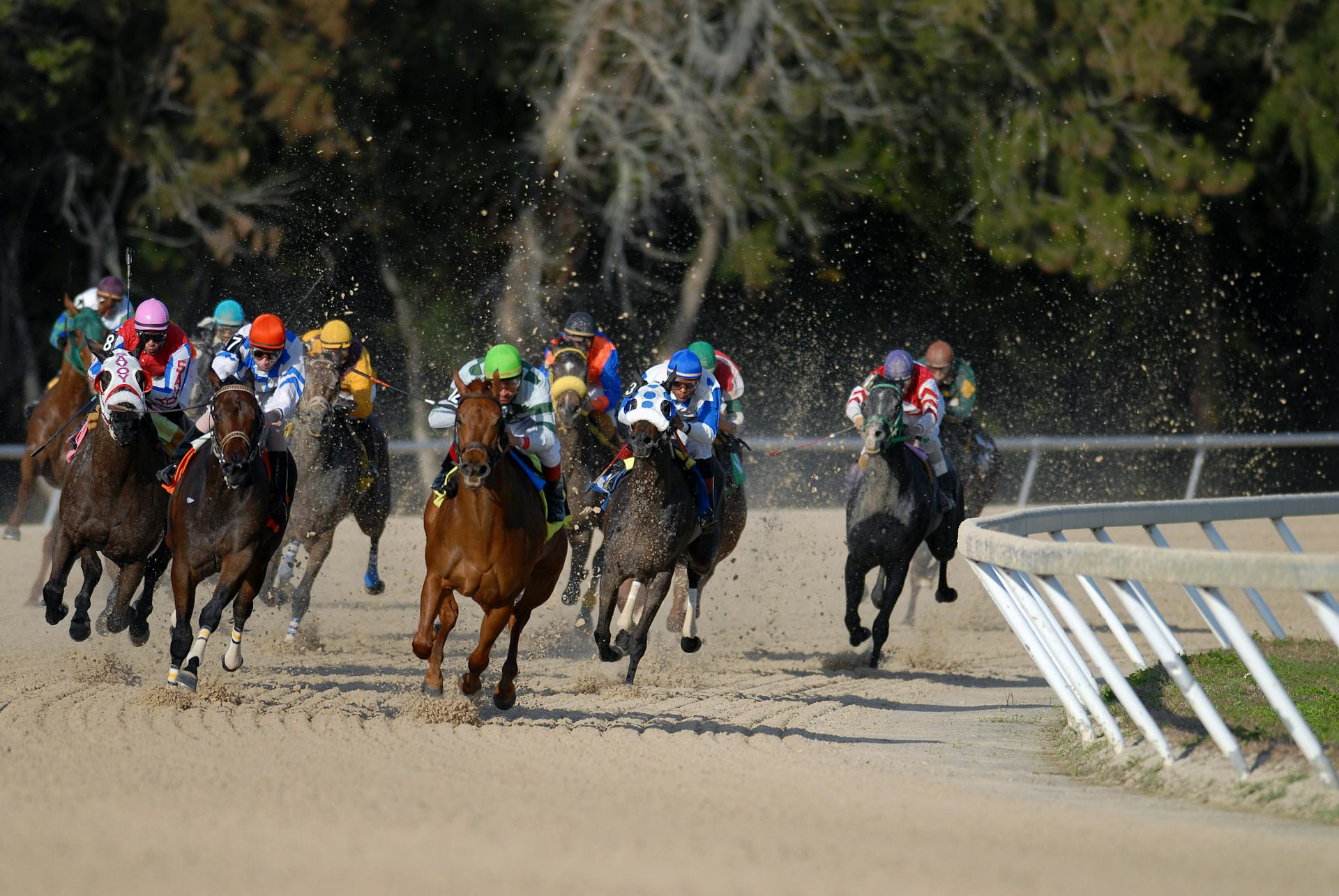
One of the clearest indicators of form is how a horse finishes its race. A strong final 400 metres often signals both fitness and determination. Does the horse accelerate late, or does it fade under pressure?
In Australian racing, sectional times can be a great guide. A horse that records one of the fastest closing splits of the day, even from an awkward position, is usually trending upward. Similarly, a horse that sustains its run after being caught wide or checked mid-race is showing resilience and readiness to win soon.
Consistency and Rhythm in Performances
Form development isn’t just about one good run – it’s about consistency. A horse that previously mixed its form but now produces steady, honest efforts is often building towards its best. You’ll notice it travelling more comfortably, responding better to the jockey, and maintaining rhythm throughout the race.
Trainers often say a horse is “improving with racing.” That means it’s gaining strength, fitness, and confidence with each start. This is especially true for younger horses or those returning from a spell, where experience and conditioning play a big role.
Physical Signs of Progress
You can often see improvement in a horse’s physical appearance. A horse in form will have a healthy coat, defined muscle tone, and a bright, alert demeanour. It will move freely in the parade ring and show controlled energy rather than nervousness.
If you follow horses over time, you’ll notice how they develop physically – particularly after a break or recovery from injury. A horse that once looked heavy or flat but now appears leaner and more focused is likely approaching its top condition.
Læs også:
The Race Tells the Story
To truly understand a horse’s performance, you need to analyse how the race unfolded. Did the horse work hard early from a wide gate? Was it held up for a run in the straight? Did it strike interference or lose momentum at a key stage? These factors can explain why a horse didn’t win – and reveal that it actually ran a terrific race.
Many seasoned punters rewatch race replays to pick up on these details. A horse that finishes with plenty left in the tank after being blocked for a run is often one to follow next start, especially if it draws a better barrier or drops in grade.
Trainer Insights and Stable Talk
Trainer comments before and after races can offer valuable clues. When a trainer says a horse “will take improvement from the run” or “is getting fitter each start,” it’s often a sign that the horse is building towards a peak performance. Pay attention to remarks about how the horse is working at home, eating, and handling its routine – these are often the best indicators of where it’s at in its preparation.
When Improvement Turns Into Victory
Spotting form development isn’t just about understanding horses – it’s about predicting when they’ll strike. A horse that’s been improving steadily over several runs will eventually get the right race conditions, tempo, and luck in running. That’s when the breakthrough win comes. For the observant punter, recognising that upward trend before the rest of the market does is where the real value lies.
Conclusion: Winning Isn’t Everything
In racing, victory is the visible goal, but form development is the hidden story. Those who learn to read a horse’s progress gain a deeper appreciation of the sport – and often a betting edge. Improvement without victory isn’t failure; it’s a sign that success is near. In Australian racing, as anywhere, the skill lies in seeing what others overlook – the quiet progress that leads to the next big win.
Læs også: