Know the Player’s Signature Move – and Understand the Rhythm of the Game

Know the Player’s Signature Move – and Understand the Rhythm of the Game
When you watch tennis at the highest level, it can look like a contest of power and precision – but beneath the surface, it’s just as much about rhythm, timing, and reading your opponent’s patterns. Every player has their trademark moves, preferred shots, and tactical habits. Recognising these signature moves can be the key to understanding why a match unfolds the way it does – and for those who play, coach, or even bet on matches, it can offer a crucial edge.
What Is a Signature Move?
A signature move is the shot that defines a player – the one opponents fear and fans instantly recognise. It might be Nick Kyrgios’ unpredictable underarm serve, Alex de Minaur’s lightning-fast court coverage, or Ash Barty’s sliced backhand that could change the pace of a rally in an instant. The move isn’t just technically brilliant; it’s psychological. When a player lands their signature shot cleanly, it sends a message: I’m in control.
To truly understand the rhythm of a match, you need to notice when and how a player looks to bring their signature move into play. That’s often when momentum shifts.
The Rhythm of a Tennis Match
A tennis match is like a piece of music – with changes in tempo, pauses, and recurring themes. Some players thrive in a fast, aggressive rhythm, trading heavy groundstrokes from the baseline, while others prefer to disrupt that flow with slices, drop shots, or clever serve placement.
Understanding rhythm means watching how players try to dictate the pace. An attacking baseliner will take the ball early and push their opponent back, while a more tactical player will vary the tempo to draw errors. When you watch with this in mind, you start to see that rhythm isn’t just about physicality – it’s about strategy.
Læs også:

How to Spot Signature Moves in Action
When you’re watching a match, look for recurring patterns:
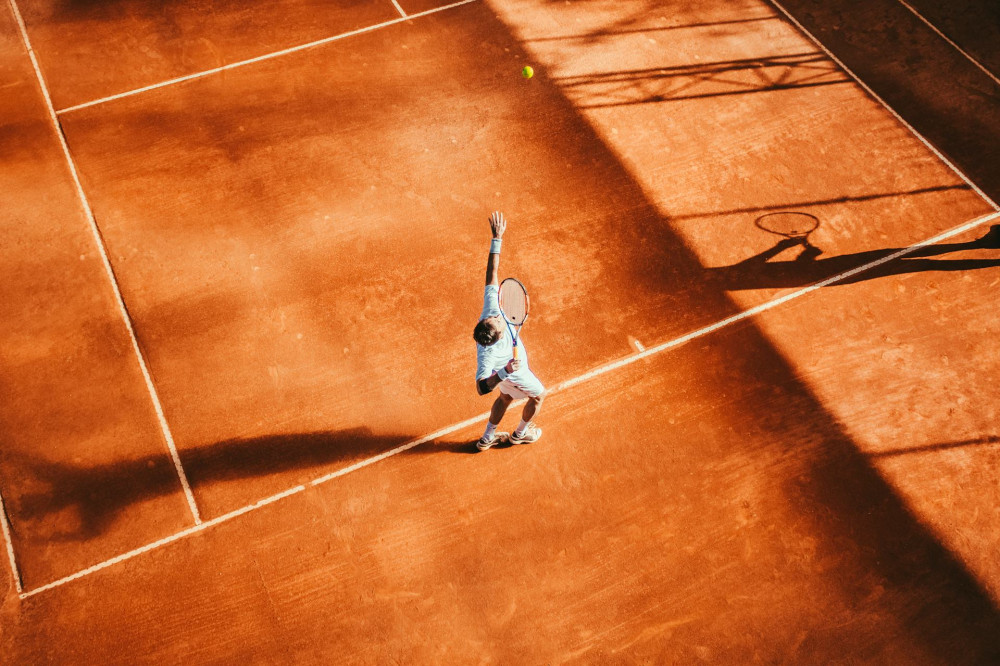
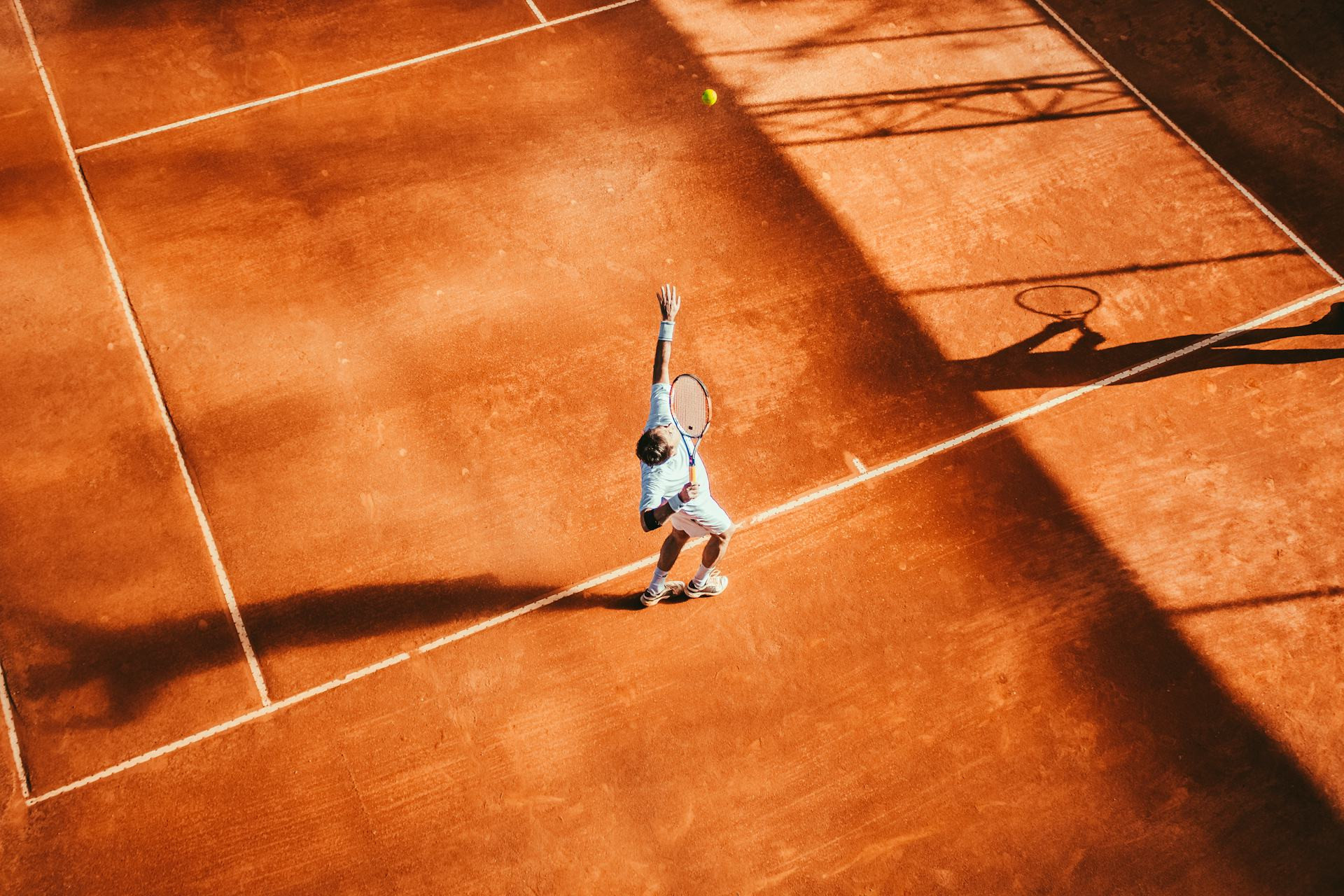
- The serve as a weapon: Some players build their entire game around the serve. Think of Sam Stosur’s heavy kick serve or Kyrgios’ ability to mix power with disguise. The serve sets up the rhythm of the point.
- The forehand as a point-builder: Many top players constantly manoeuvre to hit their forehand. Watch how they position themselves to open up the court for that decisive shot.
- The backhand as a rhythm-breaker: A well-timed slice or flat backhand can change the pace of a rally. Barty’s slice, for example, wasn’t just defensive – it was a way to control tempo and force mistakes.
- The net game as surprise: In an era dominated by baseline play, a well-timed approach to the net can completely shift momentum and catch an opponent off guard.
By observing these patterns, you’ll quickly learn how each player tries to bring their strengths into play – and how their opponents attempt to neutralise them.
Why Rhythm Matters for Analysis and Betting
For those who follow tennis analytically – whether as fans, coaches, or bettors – understanding rhythm and signature moves is more than just trivia. It can be the difference between predicting a momentum swing and missing it entirely.
When a player loses rhythm, you can often see it in subtle ways: more double faults, shorter rallies, or a change in body language. Conversely, when a player finds their rhythm, they can suddenly reel off a string of points. Statistics tell part of the story, but rhythm reveals the why behind the numbers.
Knowing a player’s signature move also helps you assess how they’ll match up against different opponents or surfaces. A player who thrives on heavy topspin might dominate on clay but struggle on faster hard courts. Those insights can be invaluable when evaluating how a match might unfold.
Watch the Game with New Eyes
Next time you tune in to the Australian Open or a late-night match from Europe, try focusing on rhythm rather than just the score. Who’s dictating the tempo? When does the rhythm shift – and why? Which shot changes the momentum?
Once you start seeing these patterns, tennis becomes more than a sport – it becomes a strategic dance of timing, psychology, and precision. And the better you understand a player’s signature move, the more you’ll appreciate the rhythm of the game – and its unpredictable beauty.
Læs også: