Technology and Humanity: The Balance in Today’s Sports Analysis


Technology and Humanity: The Balance in Today’s Sports Analysis
In recent years, the world of sport has undergone a technological transformation. Data analytics, artificial intelligence, and machine learning now play a central role in everything from player development to game strategy and even sports betting. Yet amid the fascination with precision and prediction, one question remains: how do we preserve the human element in a field increasingly driven by technology?
This article explores how modern sports analysis in Australia balances technological innovation with human intuition—and why that balance matters for athletes, coaches, and fans alike.
The Data Revolution in Australian Sport
A decade ago, sports analysis relied heavily on observation, experience, and instinct. Today, nearly every movement can be tracked and measured. GPS units, heart-rate monitors, and high-speed cameras collect vast amounts of data, which are then processed by advanced software to reveal patterns invisible to the naked eye.
In the AFL, GPS tracking helps coaches understand player fatigue and positioning across the field. In cricket, ball-tracking technology and predictive analytics refine both training and match-day tactics. Even in rugby league, wearable sensors monitor collisions and recovery rates to prevent injuries. For betting analysts, these insights allow for more nuanced predictions that go far beyond traditional statistics.
But while data provides clarity, it doesn’t always tell the full story.
When Numbers Don’t Capture the Moment
Sport is not just a science—it’s an art. It thrives on emotion, momentum, and human willpower. A team may dominate statistically yet still lose because the opposition shows greater determination or unity. This is where human intuition remains irreplaceable.
The best coaches and analysts know how to blend data with experience. They understand when to trust the numbers—and when to challenge them. A cricketer who appears out of form on paper might still deliver a match-winning innings, driven by confidence or sheer grit. No algorithm can measure that spark.
Technology as a Partner, Not a Replacement
The most successful sporting organisations treat technology as a tool, not a substitute for human judgment. Data can highlight trends, but it takes people to interpret them meaningfully. The same applies in the betting industry, where algorithms can calculate probabilities, but understanding the rhythm and psychology of a game still requires human insight.
Take live match analysis, for example. Software can instantly show how a team’s formation shifts during play, but it’s the coach’s tactical understanding that determines how to respond. Technology provides information—humans create strategy.
Læs også:




The Ethical and Cultural Dimension
As technology becomes more embedded in sport, ethical questions arise. How much data should be collected about athletes? Who owns that information? And how do we ensure that smaller clubs or community teams aren’t left behind by the cost of advanced analytics?
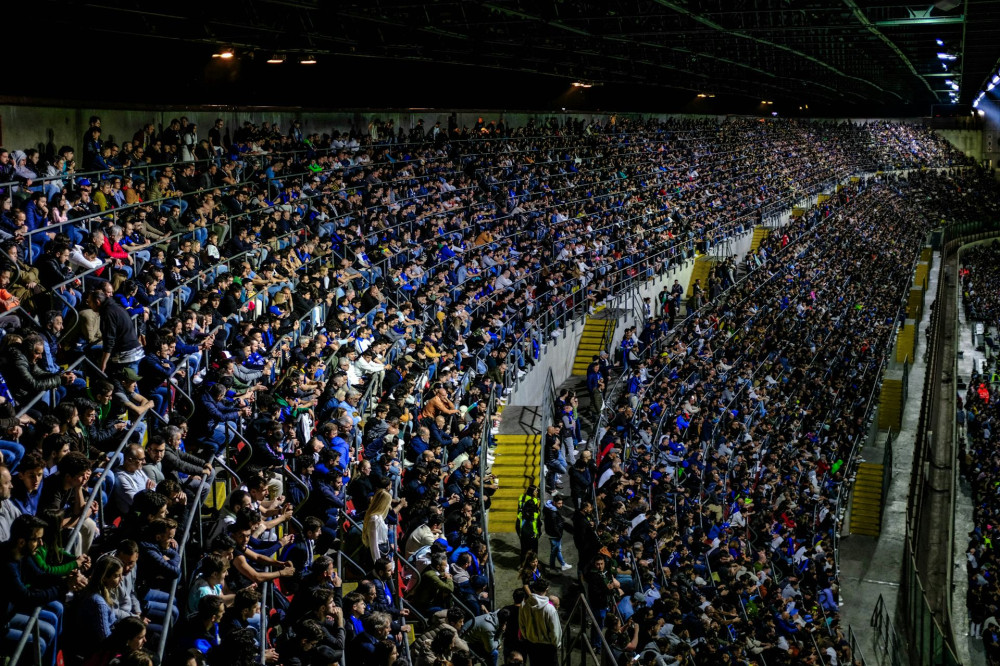
There’s also a cultural concern. Australian sport has always celebrated spontaneity and fair play—the unpredictable moments that make fans leap from their seats. If every move becomes predictable, we risk losing some of that magic. Technology should enhance the game, not sterilise it.
The Future: Collaboration Between Human and Machine
Looking ahead, the integration between technology and sport will only deepen. Artificial intelligence will predict injuries, optimise training loads, and analyse opponents with unprecedented accuracy. Yet the need for human interpretation will remain just as vital.
Because sport, at its heart, is not just about winning. It’s about creativity, resilience, and community—the very qualities that define humanity. Technology can help us understand performance, but it’s people who give sport its meaning.
The balance between technology and humanity is not a battle—it’s a partnership. When the two work together, sport can evolve without losing its soul.
Læs også: