The Illusion of Control – Why We Believe We Can Influence Random Outcomes

The Illusion of Control – Why We Believe We Can Influence Random Outcomes
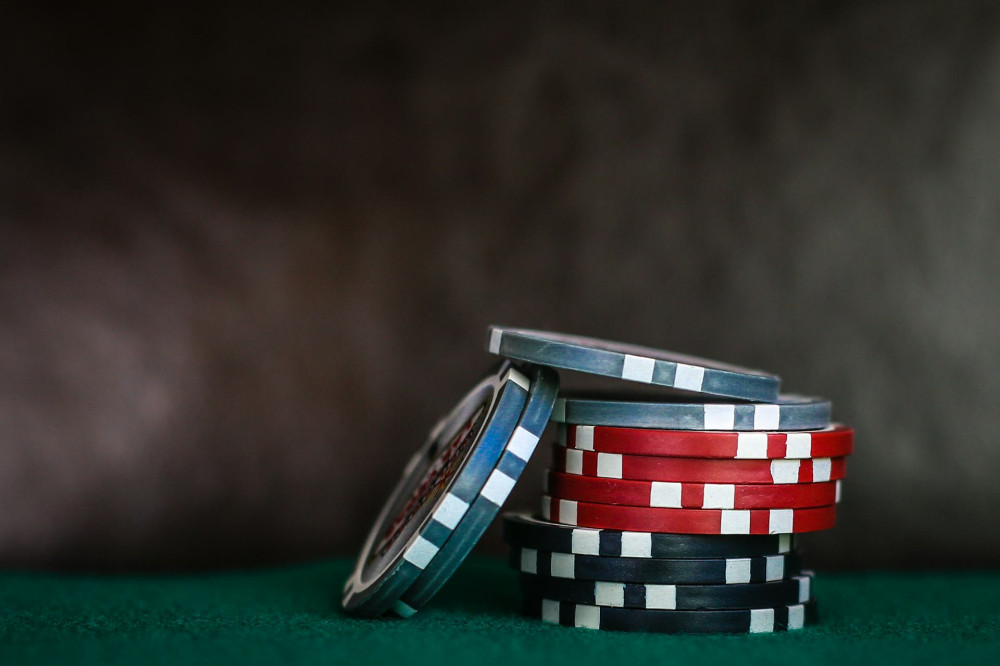
Have you ever blown on the dice before rolling, or pressed the “spin” button on a pokie machine just a little harder, as if that might change your luck? You’re not alone. Humans have a remarkable tendency to believe we can influence random events – a psychological trap known as the illusion of control. It makes us feel as though we have power over outcomes that are, in truth, governed by chance.
Why We Seek Control
Feeling in control is a fundamental human need. It gives us a sense of safety, predictability, and meaning in a world that often feels uncertain. When we face situations where outcomes are random – whether in gambling, investing, or sport – our brains instinctively try to find patterns and causes, even when none exist.
Psychologist Ellen Langer first described this phenomenon in 1975, showing that people often behave as if they can influence chance events. In one of her studies, participants believed they had a better chance of winning a lottery if they chose their own ticket rather than being given one at random. Objectively, of course, the odds were identical.
Læs også:


Rituals, Routines, and Lucky Charms
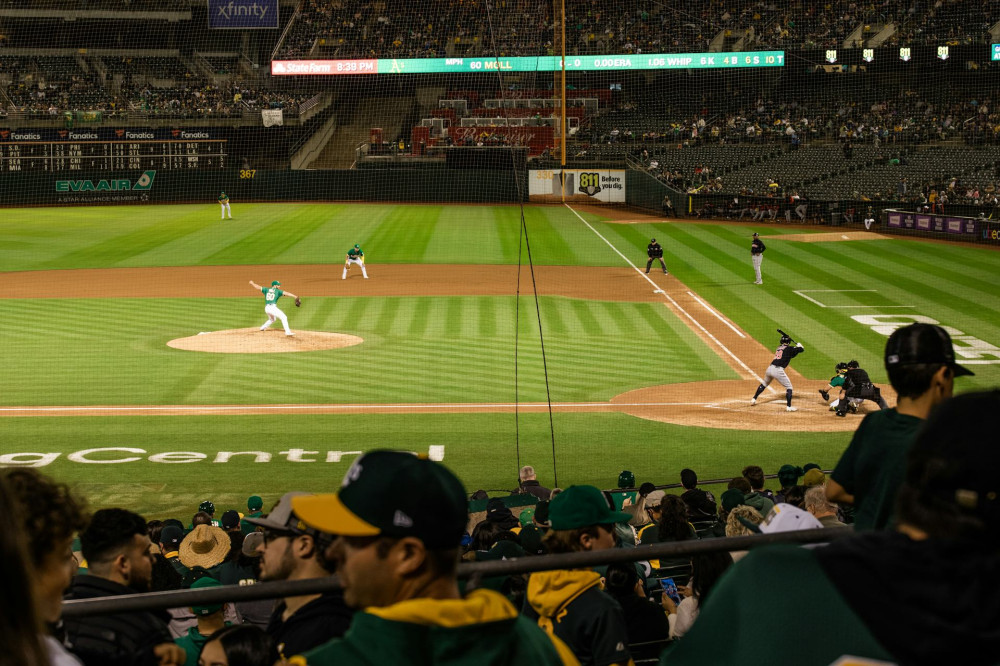
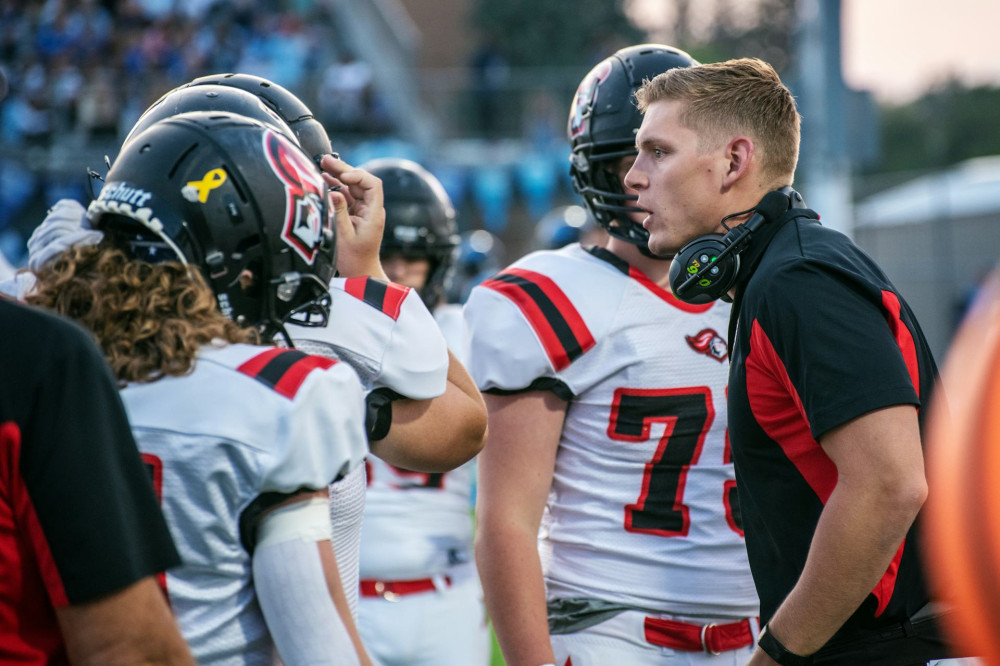
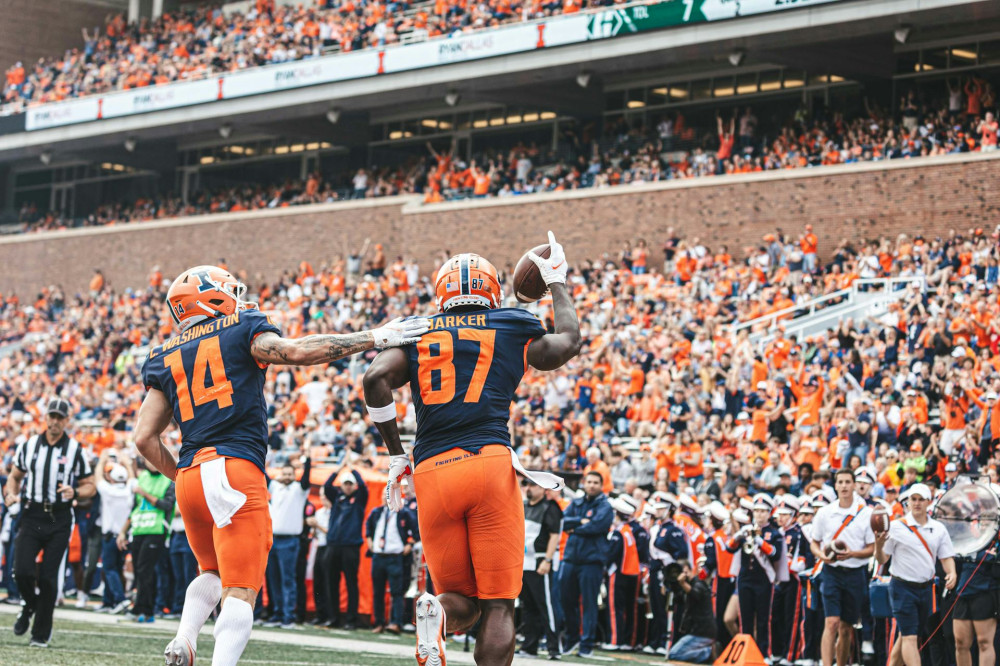
The illusion of control shows up in countless ways. Some punters have lucky rituals – they always use the same coin, sit at the same machine, or play at a certain time of day. Athletes might wear “lucky” socks or repeat a pre-game routine. Even in everyday life, we might press the pedestrian crossing button multiple times, as if that will make the light change faster.
These small actions don’t actually alter the outcome, but they feel like they do. They give us a sense of agency and calm in uncertain situations. Psychologically, that feeling can be comforting, even when we know it’s irrational.
When the Illusion Becomes Costly
In some cases, the illusion of control is harmless – even motivating. It can boost confidence and persistence. But in other contexts, it can lead to unrealistic expectations and risky behaviour.
In Australia, where sports betting and pokies are part of the cultural landscape, this illusion can have real financial consequences. A person might believe they can “read” a pattern in random results – that a team is “due for a win” after a losing streak, or that a machine is “ready to pay out.” These are classic examples of faulty reasoning that can lead to losses, because they rely on emotion rather than probability.
The Brain’s Pattern-Seeking Habit
Part of the explanation lies in how our brains evolved. We’re wired to detect patterns – a skill that once helped our ancestors survive by spotting cause-and-effect relationships in nature. The problem arises when we see patterns where none exist.
When we experience a string of random events, our minds automatically try to make sense of them. If we win a few times in a row, we might believe we’ve discovered a “system,” even though it’s pure chance. The story feels meaningful, and that makes it hard to let go.
How to Recognise the Illusion
Becoming aware of the illusion of control is the first step toward avoiding its traps. Here are a few signs you might be caught in it:
- You believe certain actions or rituals increase your chances of winning.
- You feel you can “sense” when your luck is about to change.
- You judge your skill based on short-term results in gambling or investing.
- You struggle to accept that some outcomes are purely random.
When you notice these patterns, pause and ask yourself: Is there really anything I can control here? Often, the honest answer is no – and that’s perfectly fine.
Finding Peace in Uncertainty
Accepting randomness can be challenging, but it can also be liberating. Instead of trying to control the uncontrollable, we can focus on what we can influence: our decisions, our strategies, and how we respond to wins and losses.
In gambling, as in life, it’s not about mastering chance – it’s about understanding it. When we let go of the illusion of control, we don’t become better at predicting the future, but we do become better at living with it.
Læs også: